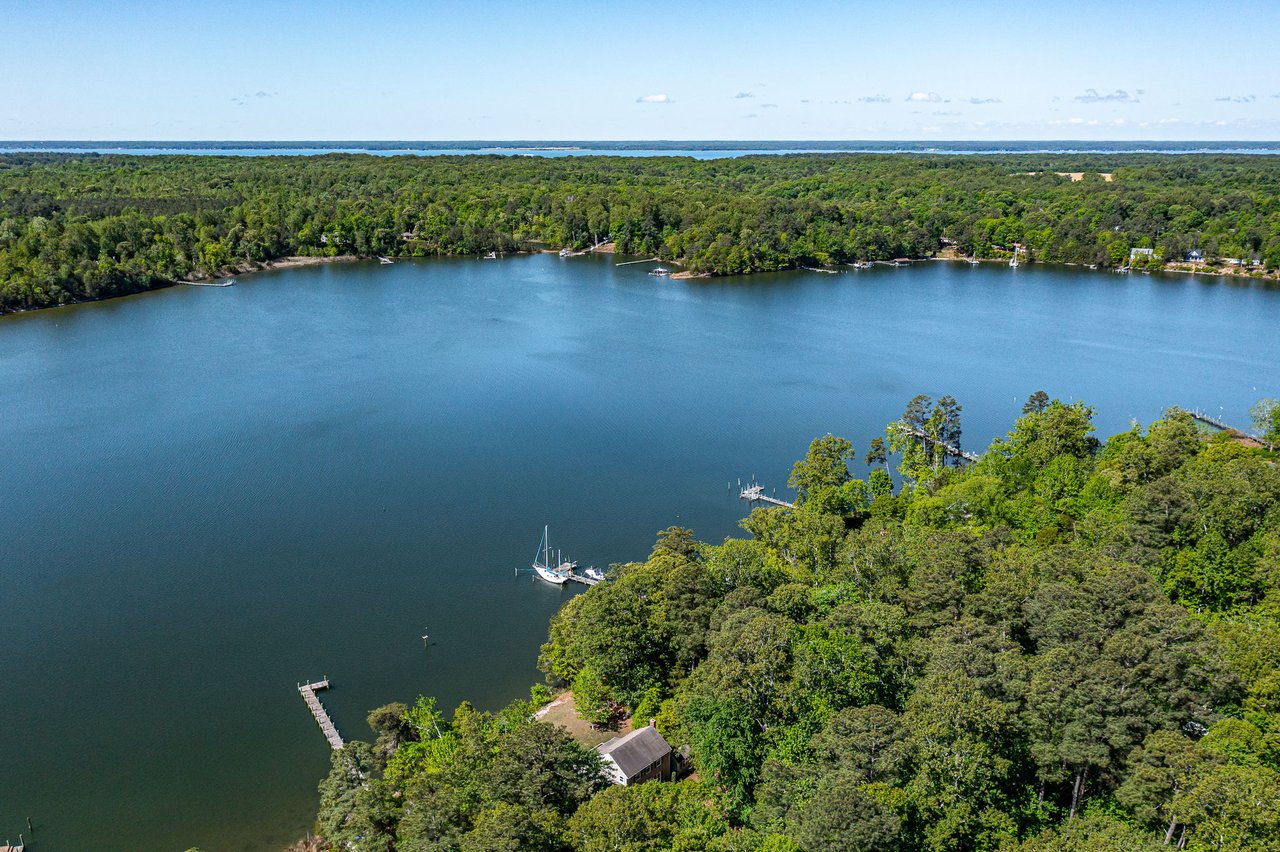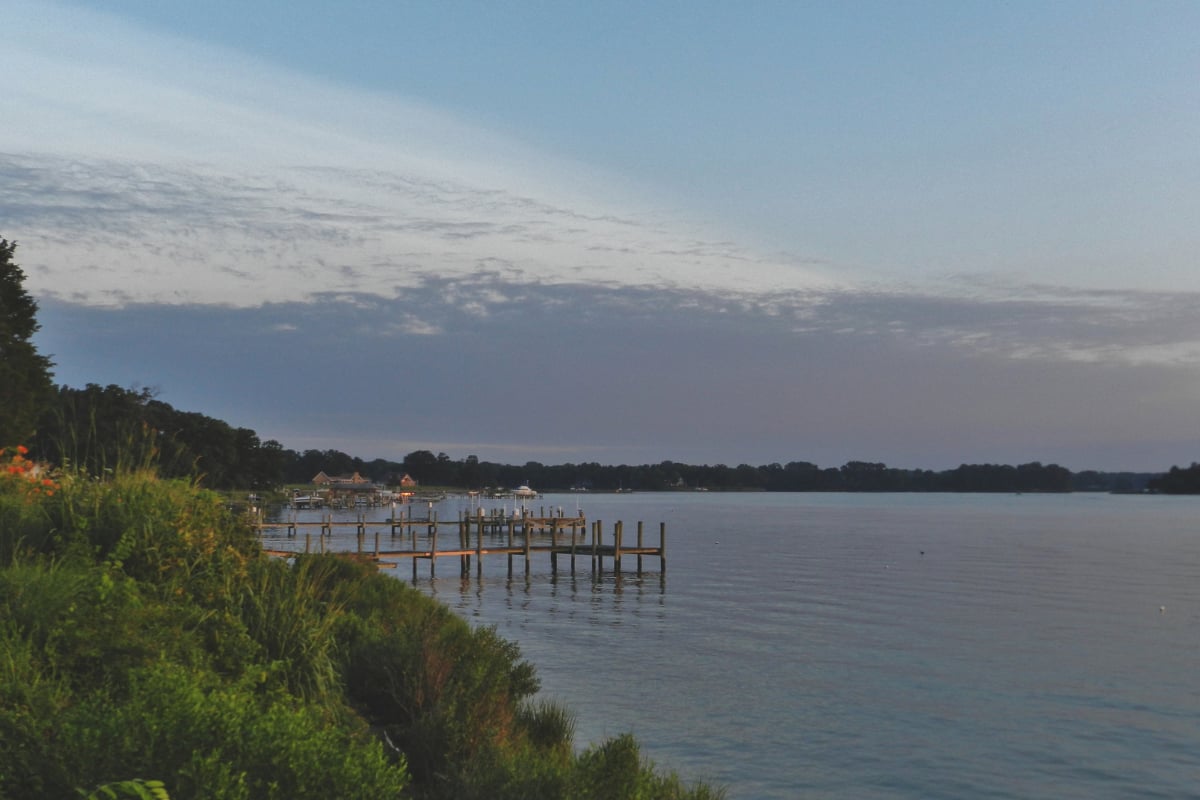
Living in the Northern Neck, it’s easy to become familiar with the things that make this area special—the water, the small towns, the history, and the traditions that have been part of life here for generations.
But every once in a while, I come across a piece of Northern Neck history that makes me think, How did I not know that?
From the crab pots still used throughout the Chesapeake Bay to houses that once arrived in Irvington by steamboat, our little corner of Virginia has quite a few claims to fame. Here are five of my favorites.
1 | The Modern Crab Pot Has Northern Neck Roots
If you’ve ever picked a Chesapeake Bay crab, there’s a Northern Neck waterman you should know about.
Benjamin Franklin Lewis developed his crab pot while working the waters of the Yeocomico River near Harryhogan in Northumberland County. Lewis continued to improve his design, eventually patenting a two-chamber version that became the basis for the crab pots still widely used today.
Before crab pots became commonplace, commercial crabbing relied heavily on methods such as trotlines. Lewis’s design helped change the way blue crabs could be harvested commercially—and an idea developed right here in the Northern Neck became part of Chesapeake Bay watermen culture that continues today.
2 | Northern Neck Ginger Ale Really Did Start Here
For longtime locals, this one probably needs no introduction.
Northern Neck Ginger Ale was developed by Arthur Carver from a family recipe in Montross in 1926. What began as a local beverage grew into a regional favorite that generations of Virginians came to recognize by name.
Coca-Cola eventually acquired the recipe in 2001, and when production was discontinued in 2020, people weren’t exactly quiet about it. Petitions called for its return, and Virginia lawmakers publicly pushed Coca-Cola to revive the drink or make it possible for someone else to produce it.
Nearly a century after it was first made in Montross, Northern Neck Ginger Ale still has a remarkably loyal following.
3 | There’s a Little Reedville Fish Story Behind Some Everyday Products
Have a pet? Grow a garden? There’s a little Northern Neck fish story behind both.
The story begins in the 1870s, when Elijah Reed brought the menhaden processing industry to Cockrell Creek. The industry grew quickly, and the community that developed around it became Reedville, named for Reed himself. By 1885, 15 menhaden factories were operating there.
Menhaden are small, oily fish that can be processed into fish meal, fish oil, and fish solubles. Today, those ingredients have uses that extend far beyond the Northern Neck, including companion-animal nutrition, aquaculture, agriculture, and plant nutrients.
It’s an interesting connection between one of the Northern Neck’s most recognizable working-waterfront communities and products that can eventually make their way into everyday life far beyond Reedville.
4 | A Signer of the Declaration of Independence Lived at Menokin—and His House Is Making History Again
Menokin in Richmond County was the home of Francis Lightfoot Lee, one of the 56 men who signed the Declaration of Independence.
The house was constructed beginning in 1769 for Lee and his wife, Rebecca Tayloe Lee. But what makes Menokin especially fascinating today isn’t only who lived there.
Rather than reconstructing the portions of the historic house that were lost over time and making them appear original, the Menokin Foundation has taken a different approach to preservation. Its Glass House Project uses structural glass to reveal missing portions of the building while preserving and showcasing what remains.
The result gives visitors an opportunity to see how the house was actually built—its stone, brick, timber, and construction techniques—rather than simply seeing a recreation of how it once looked.
For a property with such an important connection to the country’s founding, its next chapter is creating an entirely new way to experience its history.
5 | Some Irvington Houses Arrived by Steamboat
This might be my favorite of the five.
During Irvington’s steamboat era, you could essentially have the pieces of your house shipped down from Baltimore and assembled right here in the Northern Neck.
Historic records for the Irvington Historic District document residences constructed using prefabricated materials produced in Baltimore, transported to Lancaster County by steamboat, and assembled locally. Some documented examples can still be found along King Carter Drive and Steamboat Road.
And some of them are still standing today.
Knowing that completely changes the way I look at some of Irvington’s older homes. The town’s architecture isn’t just connected to the steamboat era—the steamboats actually helped bring some of the houses here.
There’s Always More to Discover in the Northern Neck
These are the kinds of stories that make me appreciate the Northern Neck even more.
The places we drive past, waterways we know by heart, industries that have shaped our towns, and homes that have stood here for more than a century all have stories behind them. And even after living here my whole life, I’m still discovering pieces of local history I never knew.
Which one surprised you the most?
Sources & Further Reading
NOAA Fisheries / National Marine Fisheries Service
Development of a Self-Culling Blue Crab Pot
NOAA Fisheries — Crab Pot History
Office of U.S. Senator Tim Kaine
Northern Neck Ginger Ale History
Kaine Presses Coca-Cola to Save Iconic Northern Neck Ginger Ale
Virginia Department of Historic Resources
Reedville Historic District
Virginia DHR — Reedville Historic District
Omega Protein
Products & Uses
Omega Protein — Products
Menokin Foundation
The Glass House Project
Menokin — Glass House Project
Virginia Department of Historic Resources
Irvington Historic District
Virginia DHR — Irvington Historic District
Virginia Department of Historic Resources / National Register of Historic Places
Irvington Historic District — Full National Register Nomination
Irvington Historic District Nomination PDF